地圖 - 熱線
15392885678
<blockquote id="khyna"></blockquote>
地圖 - 熱線
- 服務熱線 - 15392885678 15069779222
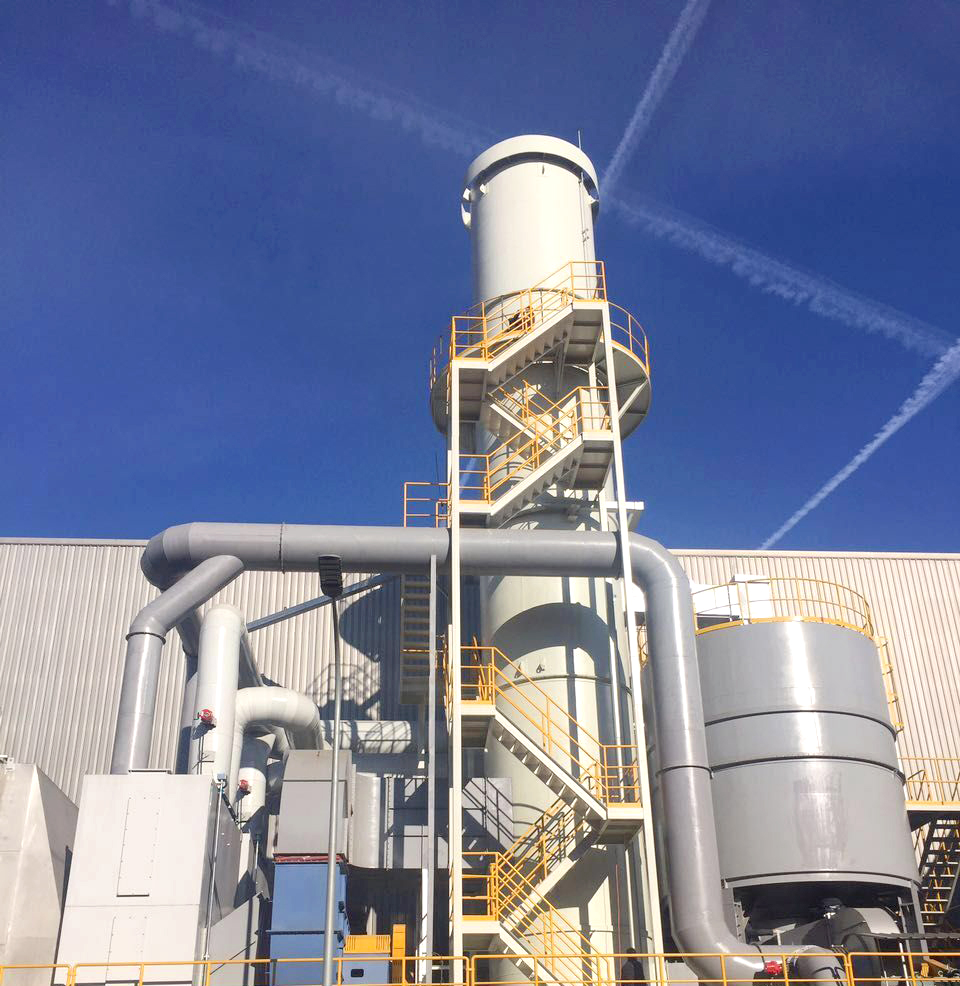
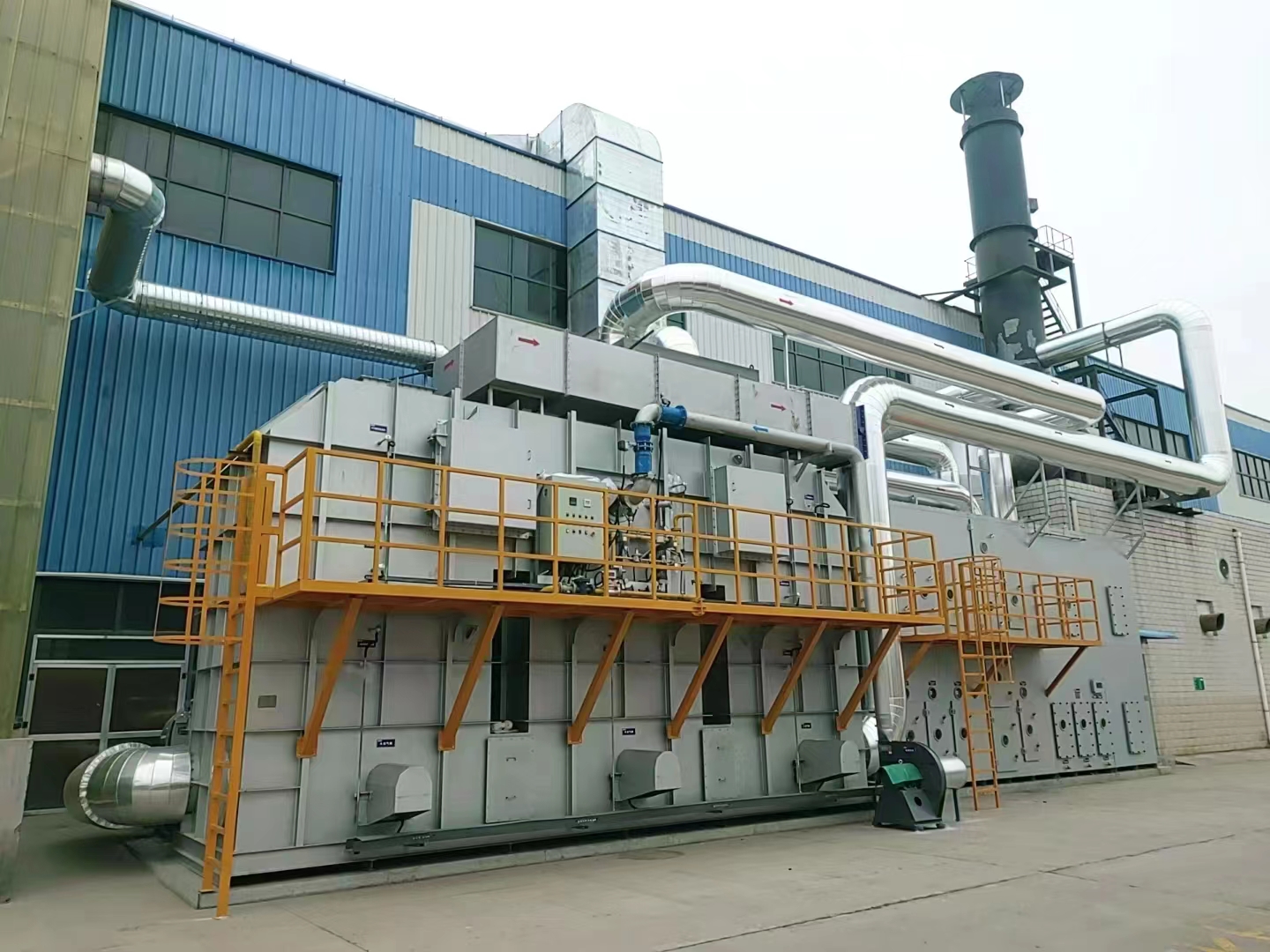
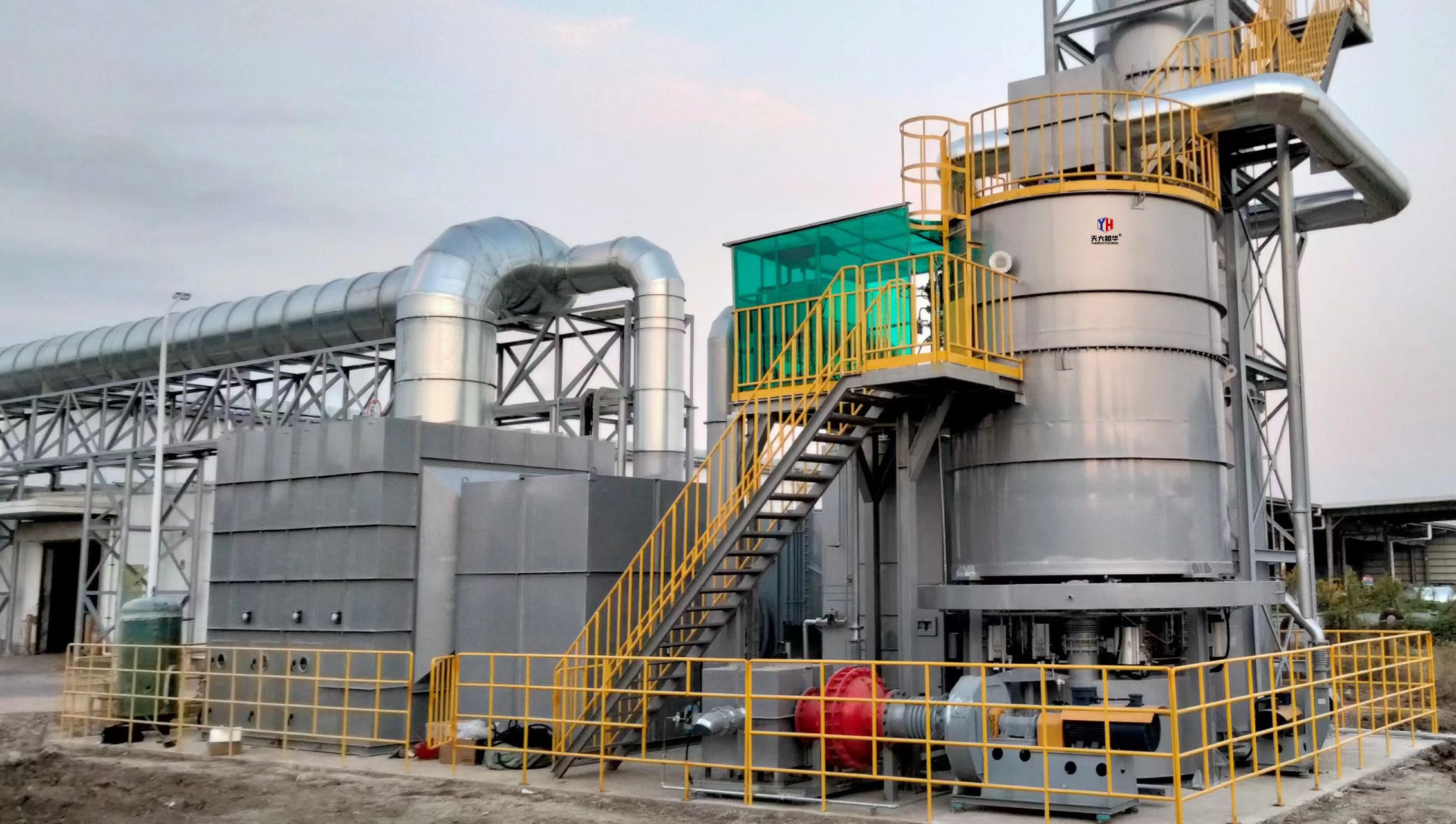
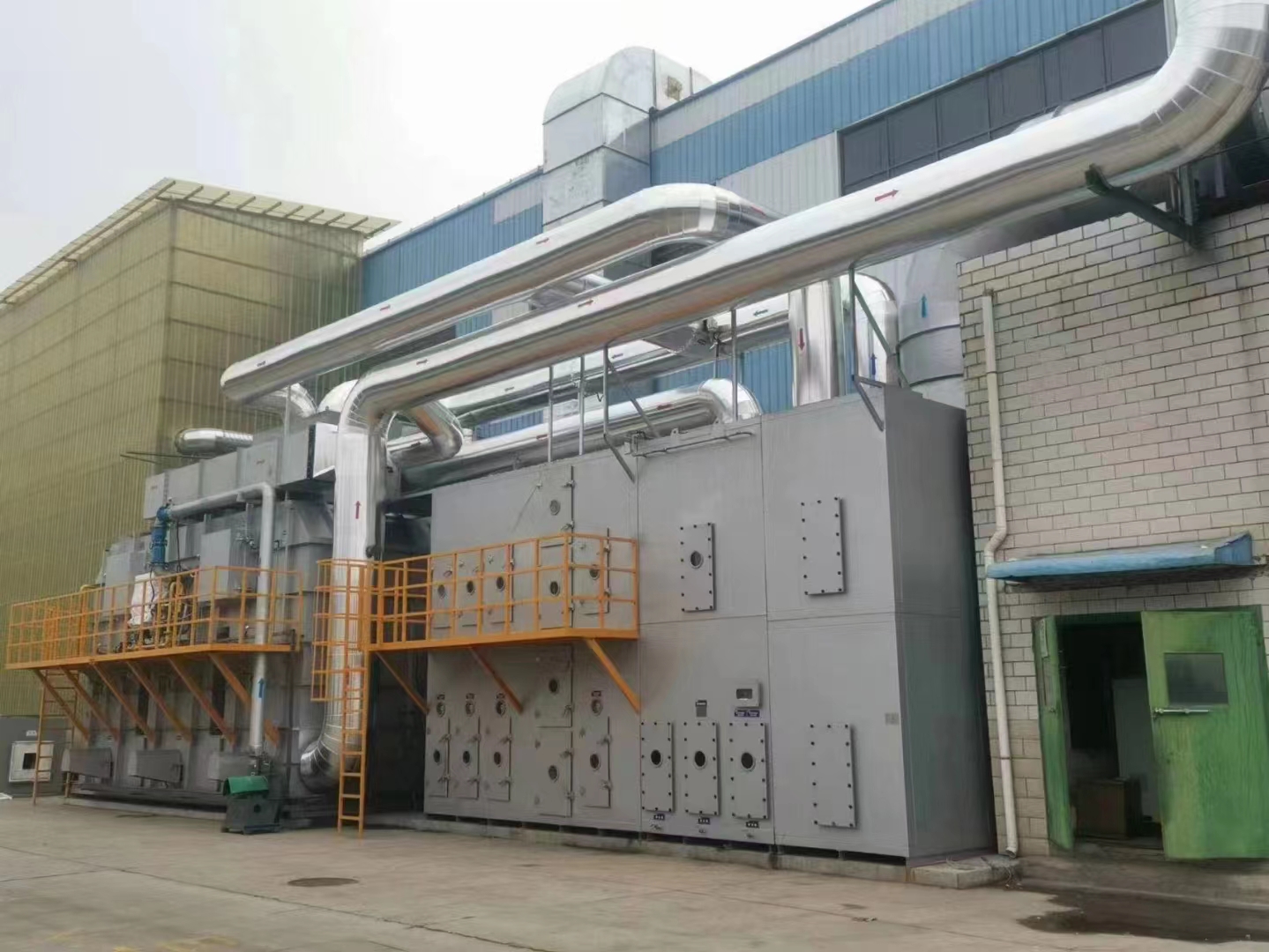
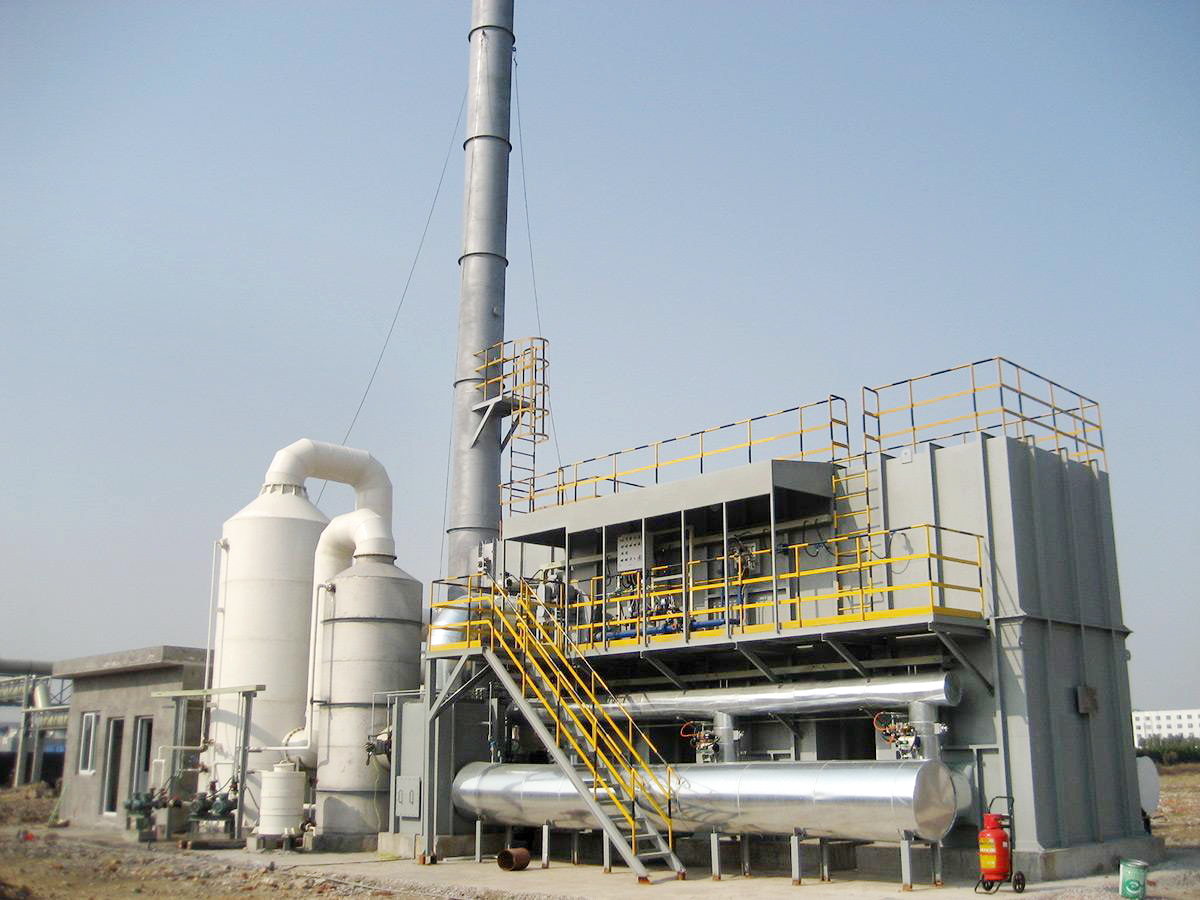
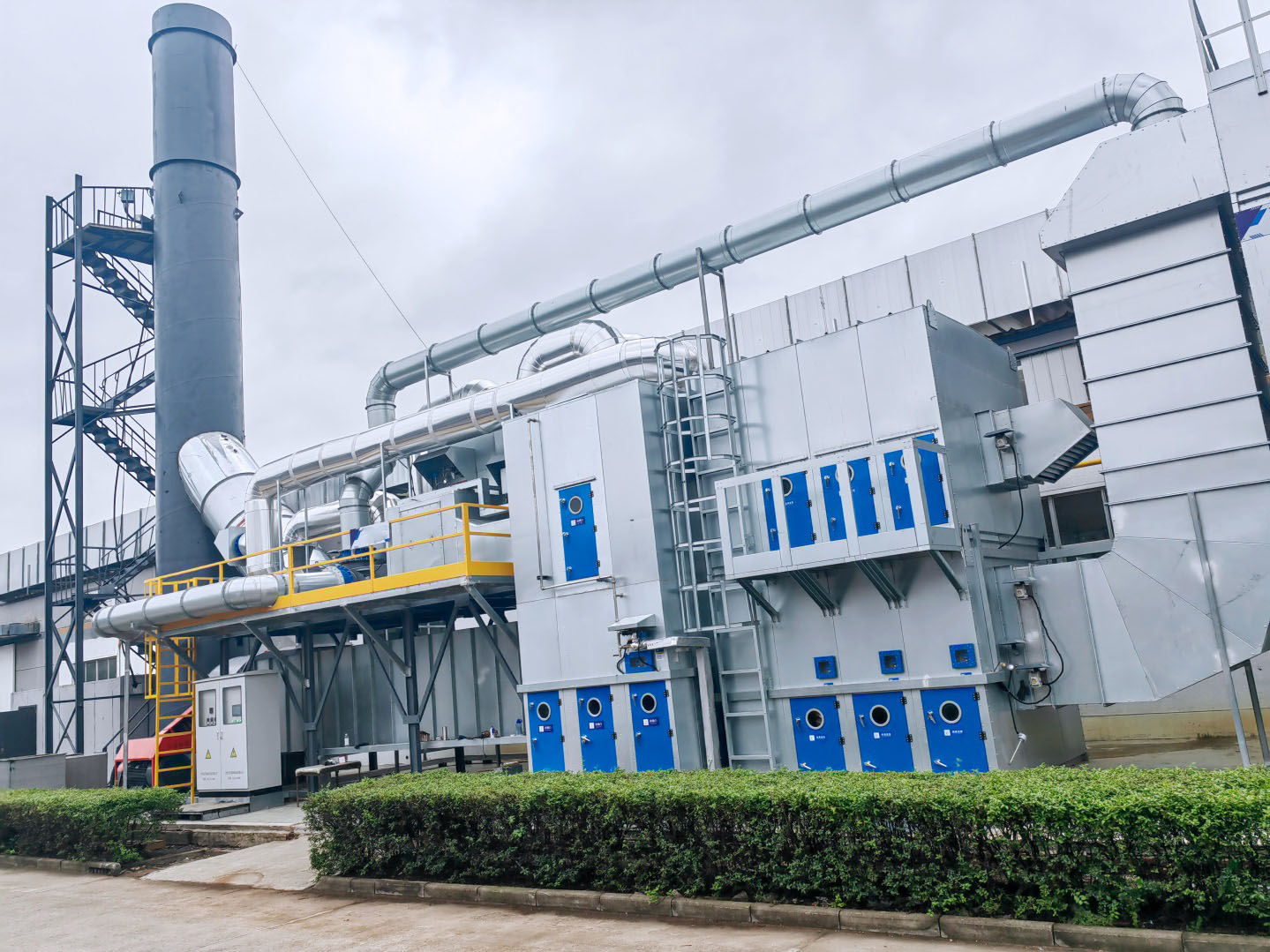
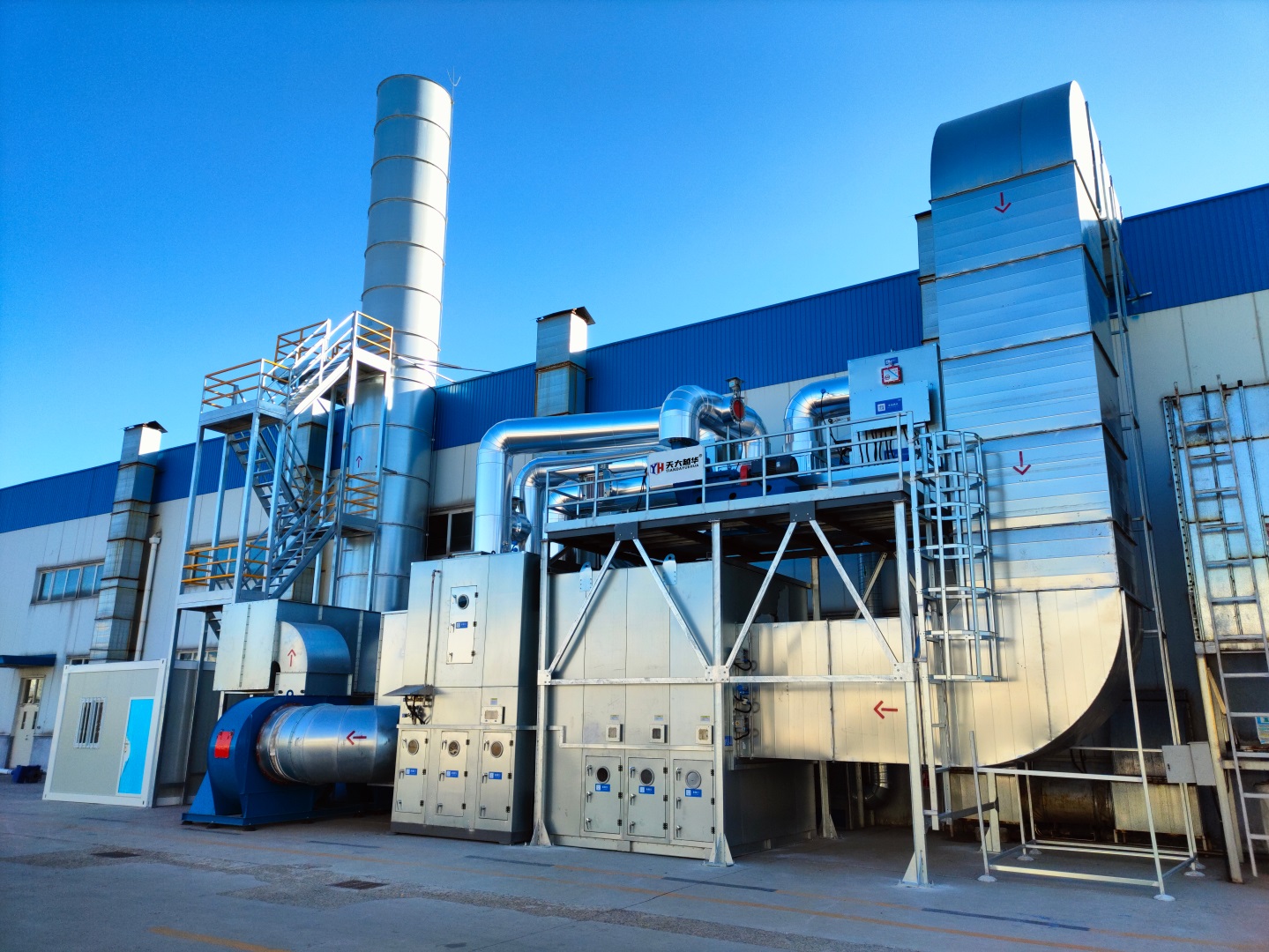
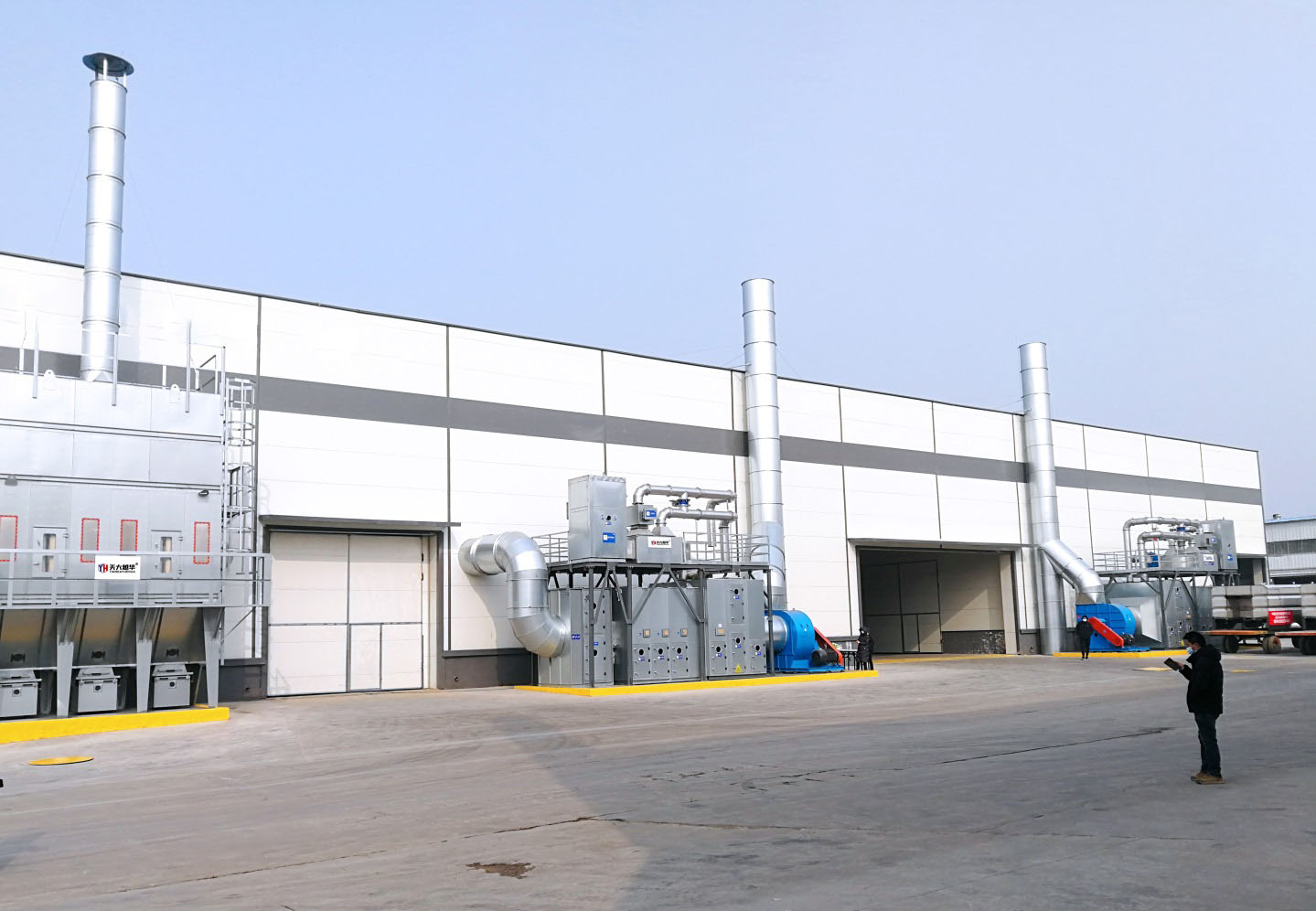
在工業生產(如涂裝、印刷、化工等)過程中,會產生大量含有揮發性有機物(VOCs)的廢氣。傳統的直接燃燒法雖然有效,但往往需要極高的溫度且能耗巨大。催化燃燒設備作為一種高效的環保裝備,巧妙地利用催化劑降低了反應門檻,成為當前低濃度、大風量有機廢氣治理的主流技術之一。
During industrial production processes such as painting, printing, and chemical engineering, a large amount of exhaust gas containing volatile organic compounds (VOCs) is generated. Although traditional direct combustion methods are effective, they often require extremely high temperatures and consume huge amounts of energy. Catalytic combustion equipment, as an efficient and environmentally friendly device, cleverly utilizes catalysts to lower the reaction threshold and has become one of the mainstream technologies for the treatment of low concentration and high air volume organic waste gases.
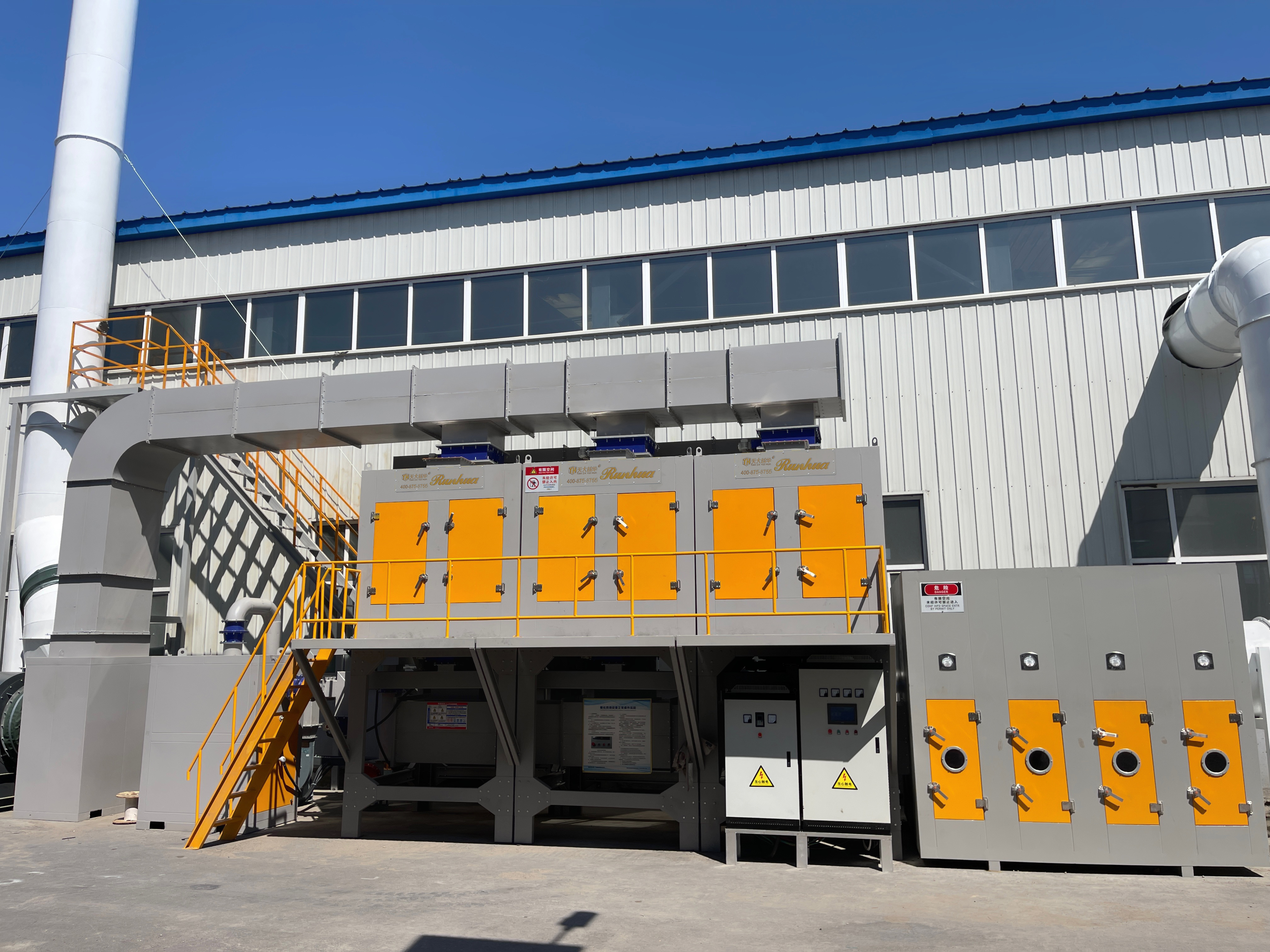
該設備的核心原理是“催化化學轉化”。在貴金屬催化劑(如鉑、鈀等)的作用下,有機廢氣無需明火,即可在較低的溫度(通常為200℃~400℃)下發生無焰氧化反應,迅速分解為無害的二氧化碳和水,并釋放出一定的熱量。這一過程不僅避免了高溫燃燒可能產生的氮氧化物等二次污染,還大幅降低了能源消耗。
The core principle of this device is "catalytic chemical conversion". Under the action of precious metal catalysts such as platinum and palladium, organic waste gas can undergo flameless oxidation reaction at lower temperatures (usually 200 ℃~400 ℃) without the need for an open flame, rapidly decomposing into harmless carbon dioxide and water, and releasing a certain amount of heat. This process not only avoids secondary pollution such as nitrogen oxides that may be generated by high-temperature combustion, but also significantly reduces energy consumption.
從系統結構來看,一套完整的催化燃燒設備通常由四大模塊組成。首先是預處理系統,通過過濾器去除廢氣中的粉塵和液滴,防止催化劑床層堵塞或中毒;其次是預熱裝置,在設備啟動時將廢氣加熱至起燃溫度;再次是核心的催化反應床,內部填充有比表面積大、阻力小的蜂窩狀陶瓷載體催化劑;最后是熱交換與控制系統,用于回收反應釋放的熱量來預熱新進入的廢氣,并通過PLC智能監控實現自動化運行。
From the perspective of system structure, a complete catalytic combustion equipment usually consists of four major modules. Firstly, the pre-treatment system removes dust and liquid droplets from the exhaust gas through filters to prevent catalyst bed blockage or poisoning; Next is the preheating device, which heats the exhaust gas to the ignition temperature when the equipment is started; Once again, it is the core catalytic reaction bed, which is filled with honeycomb shaped ceramic support catalysts with a large specific surface area and low resistance; Finally, there is the heat exchange and control system, which is used to recover the heat released from the reaction to preheat the newly introduced exhaust gas and achieve automated operation through PLC intelligent monitoring.
在實際應用中,針對大風量、低濃度的廢氣工況,行業普遍采用“吸附濃縮+催化燃燒”的組合工藝。前端利用活性炭或沸石分子篩將分散的低濃度VOCs吸附濃縮成高濃度小風量氣體,再送入催化燃燒室進行徹底分解。這種設計使得設備的熱回收率可高達95%以上,當廢氣濃度達到一定標準時,甚至可以實現自熱平衡,無需額外電加熱,極大地節約了企業的運行成本。
In practical applications, for high air volume and low concentration exhaust gas conditions, the industry generally adopts a combination process of "adsorption concentration+catalytic combustion". The front-end utilizes activated carbon or zeolite molecular sieve to adsorb and concentrate dispersed low concentration VOCs into high concentration low air flow gas, which is then sent to the catalytic combustion chamber for thorough decomposition. This design enables the heat recovery rate of the equipment to reach over 95%. When the exhaust gas concentration reaches a certain standard, it can even achieve self heating balance without the need for additional electric heating, greatly saving the operating costs of the enterprise.
總體而言,催化燃燒設備以其凈化效率高(可達99%)、安全性好(無明火作業)、占地面積小以及運行穩定等優勢,在保障企業達標排放、改善車間空氣質量方面發揮著不可替代的作用,是現代綠色制造體系中不可或缺的環保屏障。
Overall, catalytic combustion equipment plays an irreplaceable role in ensuring that enterprises meet emission standards and improving workshop air quality due to its high purification efficiency (up to 99%), good safety (no open flame operation), small footprint, and stable operation. It is an indispensable environmental barrier in modern green manufacturing systems.
地址

服務熱線

郵箱


截屏,微信識別二維碼